12 Top Logistics Software For Cargo Management In 2025
The logistics software market was $260.56 billion in 2022 and is expected to reach $450.8 billion by 2027, a 12% compound annual growth rate. Companies are pushing for more control of their supply chains.
A good transportation management system can cut freight costs by about 10 to 15 percent, raise on-time delivery to above 95 percent and give the visibility needed to spot and stop disruptions before they spread.
1. CargoWise
CargoWise is a single software that links all parts of cargo handling. It covers freight forwarding, customs, warehouse tasks, accounting, and paperwork on one platform so you do not need separate tools or tricky integrations.
The tool automates end-to-end workflows. You can run air, ocean and land shipments with standard steps while the software creates Bills of Lading, House Bills, commercial invoices, and customs forms automatically.
CargoWise keeps up with trade rules in more than 160 countries. The system links directly to major carriers, government portals, banks and partners using EDI, APIs and portals. Pricing uses a simple licensing model that gives access to the full feature set.
2. SAP Transportation Management
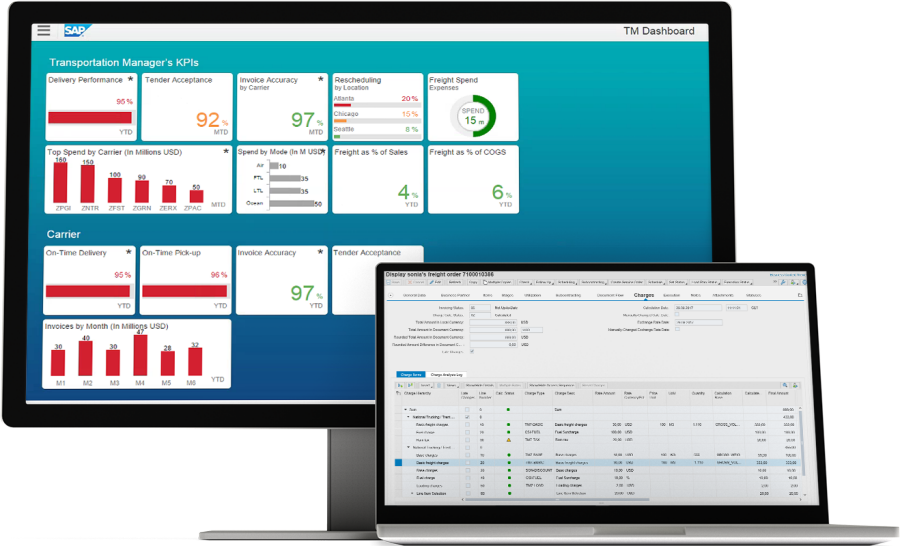
SAP Transportation Management focuses on cutting freight cost while keeping service levels steady through advanced routing and load optimization. The solution groups transport needs, picks carriers based on cost and service, builds loads to use vehicles efficiently, and updates plans as conditions change.
Dashboards show transport performance for executives, planners, and operations teams. You can monitor on-time delivery, freight cost per unit, carrier scores, and capacity use through configurable views that highlight issues needing action.
SAP TM runs in the cloud or on-premise, so you can match it to your IT strategy and regulatory needs. Pricing varies by deployment, user count, transaction volumes, and modules. Enterprise projects often start around $100,000 per year for mid-sized setups and can be much higher for large networks.
3. Oracle Transportation Management
Oracle Transportation Management (OTM) is a cloud logistics platform for companies with global supply chains. It runs in any web browser, so teams, carriers and partners can work together across time zones without installing software.
Freight procurementis simpler with automated bid handling. Send requests to many carriers, compare offers by your rules, pick the best cost and service match and keep rates current as contracts change.
Execution tools track shipments from pickup to delivery. Automated milestone updates, exception handling, and alerts cut down on phone calls and emails. Connection to carrier systems brings live GPS data into the platform. Subscription pricing is often charged per user per month or per transaction.
4. Manhattan Associates TMS

Manhattan Associates TMS is a top choice for large, complex supply chains. It scales well and delivers advanced planning while keeping daily operations manageable. The platform looks beyond single shipments to optimize the entire logistics network.
It evaluates distribution center placement, lane assignments, mode choices, and inventory positions to find big efficiency gains. Load building boosts trailer and container use by factoring in dimensions, weight, stacking rules, delivery order and dock windows.
Private fleets and contract carriers run on the same workflows, giving unified planning, execution and settlement for mixed fleets. The system matches shipments to contracted rates, validates carrier invoices, processes payments, assigns costs to the right centers and creates financial reports that cut manual accounting work.
5. Descartes

Descartes stands out for its wide connections to trading partners, carriers and government systems around the world. Its global logistics networklinks over one million participants, allowing fast data exchange that cuts out manual steps and speeds information flow.
The transportation tools help with contract talks, improve cargo planning, and keep shipments meeting customs rules. The platform supports many transport modes, including LTL, truckload, parcel, ocean, and air, with workflows that fit each mode.
Mobile apps keep drivers in touch with dispatch, allow on-the-fly route changes and capture electronic proof of delivery. Direct links to customs agencies in more than 35 countries speed clearance. Small setups often start around $25,000 to $50,000 per year, while full enterprise deployments commonly go above $100,000.
6. Blue Yonder Transportation Management
Blue Yonder leads in using artificial intelligence and machine learning for logistics. Its platform uses learning models to improve transport choices, spot likely disruptions and automate tasks that used to need lots of manual work.
Route optimization learns from past data and adapts to changing conditions, improving recommendations over time. Dynamic network planning keeps your transport setup aligned with demand forecasts, capacity limits, and market shifts.
The solution predicts arrivals based on current information, flags shipments likely to be late, and escalates issues that need attention. Blue Yonder uses subscription pricing that varies by shipment volume, user count, and chosen AI features. Enterprise implementations typically start at $100,000 or more per year.
7. Magaya Supply Chain
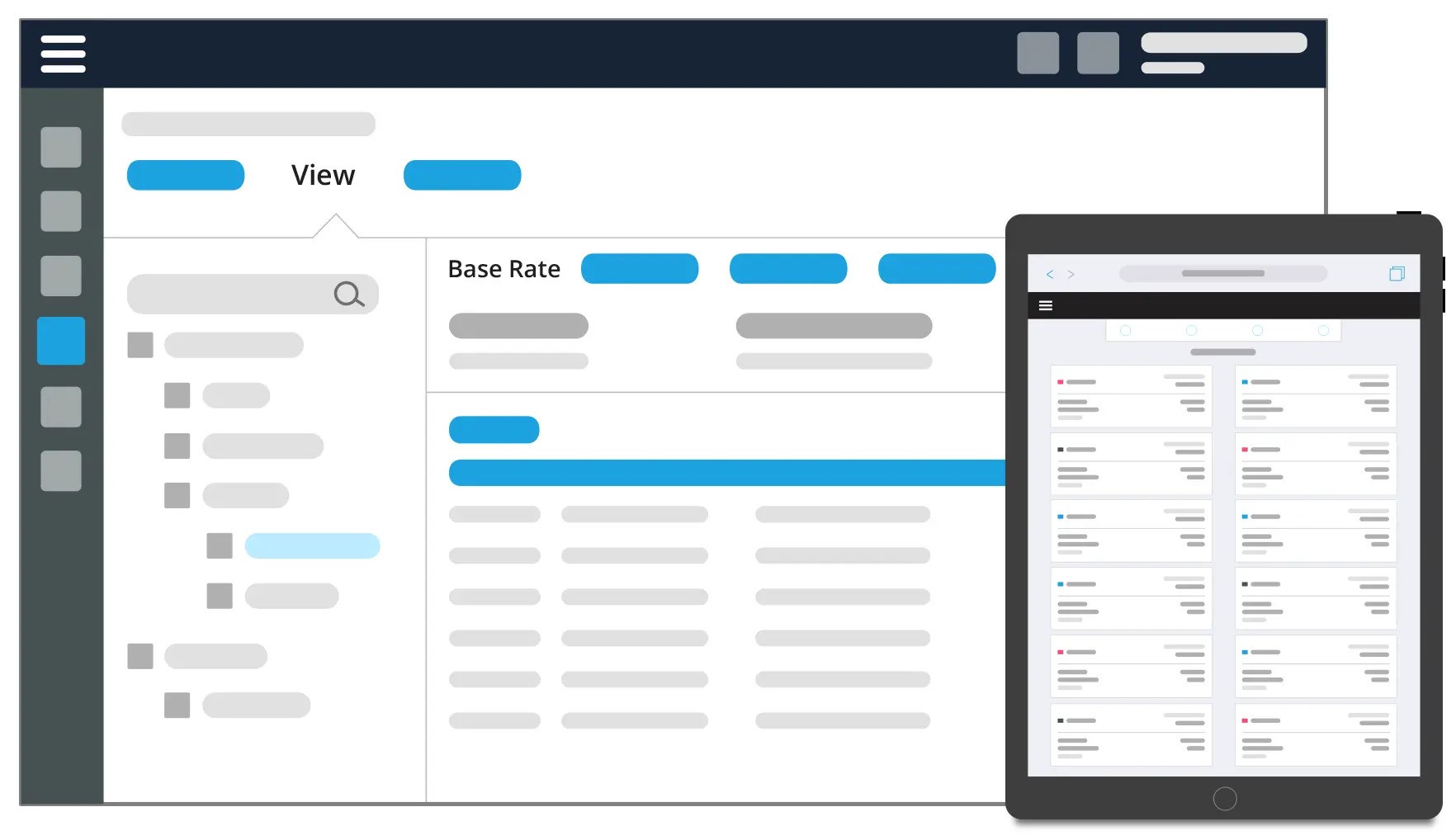
Magaya is an all-in-one logistics system built for freight forwarders, customs brokers, and logistics service providers. It brings forwarding, warehouse control, accounting and CRM into a single platform so you do not need separate systems.
The forwarding tools cover quotes, bookings and documentation for air, ocean and ground shipments. It supports the full shipment process from the first customer inquiry to delivery and invoicing, with workflows made for service providers rather than generic shippers.
Key features include multi-modal forwarding, 3PL warehouse support, integrated accounting, CRM, document generation, carrier and rate integration, customer portals, and custom workflows and reports. Pricing is per user, typically around $100 to $200 per month.
8. GoFreight
GoFreight is a cloud-first freight forwarding system focused on ease of use and fast setup. It recently raised $28 million in Series B funding to expand its reach and speed up development.
The platform covers the full shipping workflow, pricing, booking confirmations, tracking, document creation, invoicing and cargo insurance for shipments. It supports ocean (FCL and LCL), air and ground with mode-specific steps that guide users through each process.
Key features include cloud-native forwarding, multi-modal shipment handling, warehouse links, automated documents, built-in accounting and invoicing, customer portals, carrier rate tools and mobile access. Pricing runs about $80 to $120 per user per month depending on features.
9. Cargoson
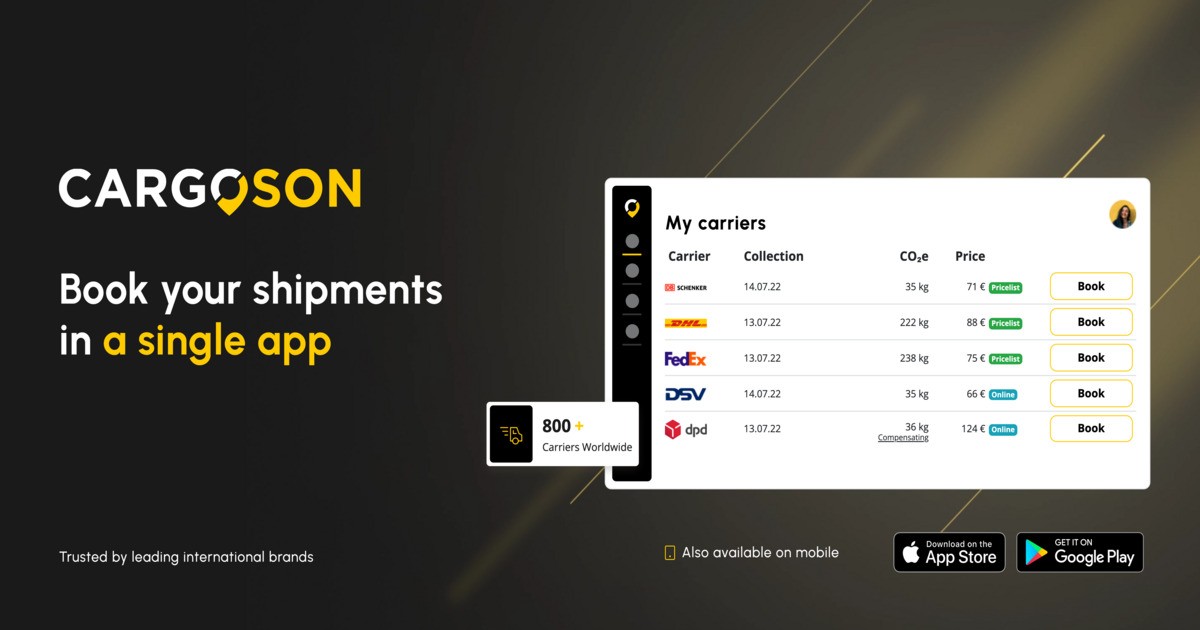
Cargoson is built for shippers, manufacturers, wholesalers and retailers. It links directly to carriers using real API and EDI connections, so rates, availability, and tracking come into the system automatically.
Its rate engine handles complex pricing, base rates, surcharges, extra service fees and calculation rules. That makes it easier to compare true costs across different carriers and spot hidden charges.
Cargoson focuses on Europe, so its coverage, compliance features, and tools are tuned to European shipping needs. Check that the carriers you need are covered on your lanes. Pricing is clear and starts around €200 to €400 per month for small shippers, rising to €1,000 or more for larger users.
10. Kuebix TMS
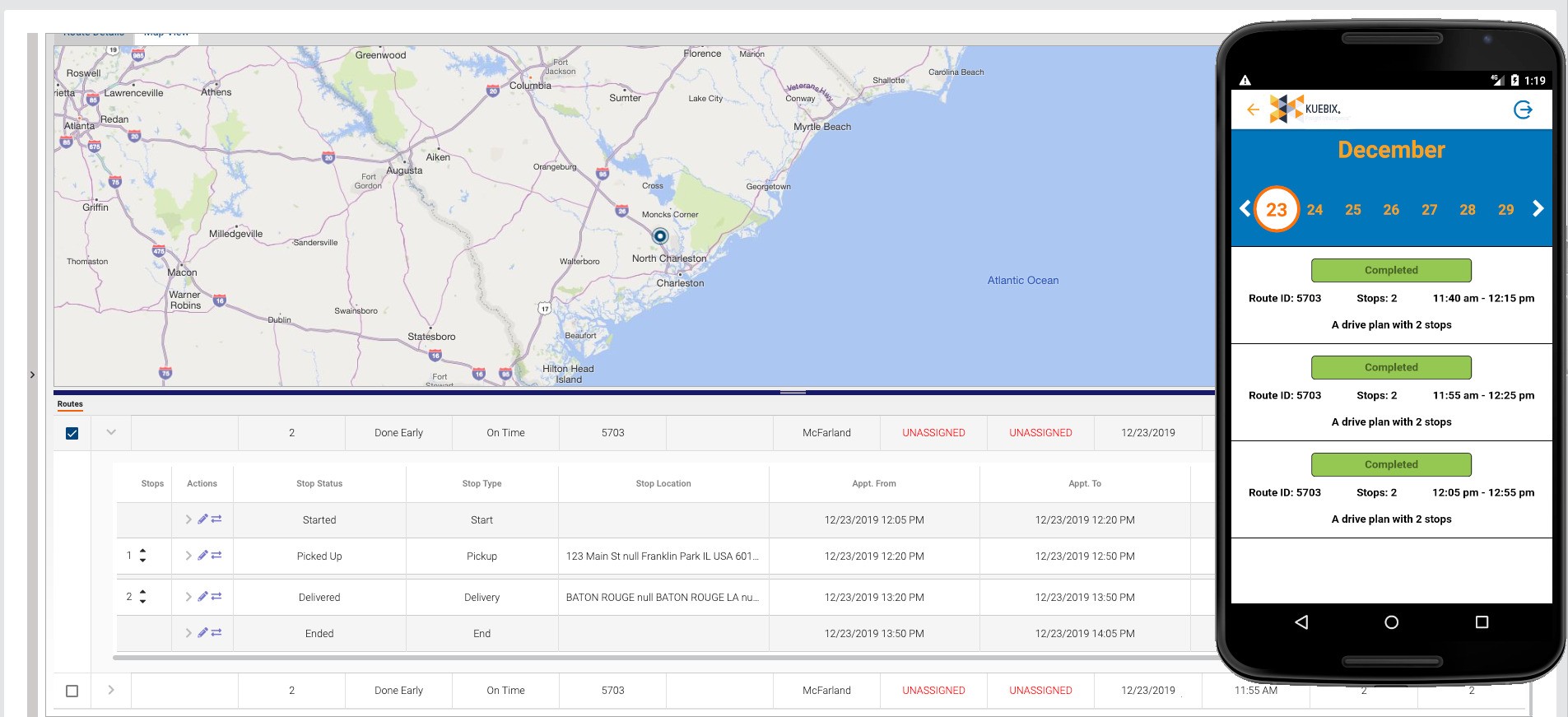
Kuebix offers a free entry-level TMS that actually works, so businesses can start managing shipping at no cost and add features as they grow. The free plan includes rating, carrier choice, tracking, reporting and basic integrations, which is enough for small operations handling roughly 50 to 100 shipments a month.
Paid tiers add features like load optimization, advanced analytics, multi-location support, EDI, and premium carrier links. Community Connect is a marketplace where shippers, carriers and 3PLs share capacity and rates, helping everyone find better options.
The interface is simple and the training resources are strong, so teams pick it up quickly. There is a free tier available now. Paid plans typically start around $500 to $1,000 per month for small business packages and can go to $5,000 or more for large enterprise deployments.
11. 3PL Warehouse Manager
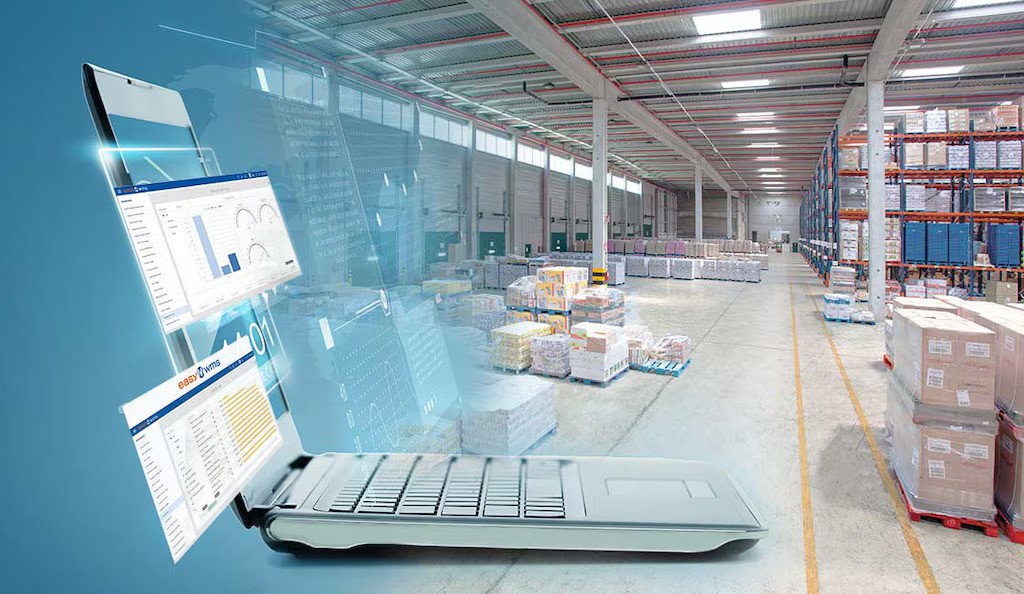
3PL Warehouse Manager is made for third-party logistics providers that run warehouses for many clients at once. It keeps client accounts separate, tracks inventory ownership, and supports client-specific billing and reporting.
Billing runs automatically to save admin time. The platform links to e-commerce stores like Shopify, BigCommerce, WooCommerce, Amazon and eBay so orders flow into warehouse operations and tracking updates go back to storefronts.
Architecture in community engagementcan affect how facilities are planned to support local programs and shared services. Pricing usually starts around $500 to $1,000 per month for smaller 3PLs and can rise to $3,000 to $5,000 or more for larger providers managing many warehouses.
12. FreightPOP

FreightPOP brings different carrier rate systems, booking steps and tracking into one unified workflow. Enter shipment details once and FreightPOP shows rate comparisons across your network, including marketplace and contracted prices.
Booking is automated, pick a provider and the system completes the reservation, creates labels, and issues tracking numbers. FreightPOP connects with ERPs such as NetSuite, Acumatica, SAP, Business Central and Sage so orders move from your enterprise system to the shipping tool without duplicate entry.
Pricing can be per shipment or a monthly subscription. Small shippers might pay about $0.50 to $1.00 per shipment with monthly minimums around $200 to $300. High-volume customers usually negotiate a flat monthly rate.
Essential Features In Logistics Software For Cargo Management
- Real-time tracking shows where each shipment is at any moment, sends alerts for delays, and gives customers reliable delivery times.
- Route optimization finds faster, shorter or cheaper paths by looking at delivery windows, traffic, vehicle limits, and costs.
- Automated document creation fills Bills of Lading, packing lists, invoices, customs forms, and other shipping papers from shipment data.
- Freight rate management compares carrier prices, including base charges, surcharges, and extra fees. Clear pricing helps you spot hidden costs and pick carriers based on data instead of habit.
- Carrier integration using APIs or EDI sends bookings and receives rates, tracking, and invoices automatically.
- Compliance and customs tools check denied parties, apply correct classification codes, and calculate duties and taxes.
- Warehouse integration links inbound and outbound transport with dock schedules, labor planning, and inventory records.
- Analytics and reporting turn daily operations into clear metrics like on-time delivery, freight cost per unit, carrier reliability and route performance.
Implementation Best Practices For Logistics Software
- Get executive backing from senior leaders so the project has authority to solve conflicts and keep teams focused.
- Form a cross-functional team with people from operations, IT, finance, customer service and any other groups affected. This ensures needs from every side are included and reduces pushback.
- Roll out the system in phases. Start with one facility, product line, or region, fix issues in that pilot, then expand step by step.
- Clean and check data before moving it. Fix addresses, weights, dimensions, and contract details so the new system starts with reliable information.
- Document current processes and the intended changes. Clear guides help configure the software, train staff and keep everyone using the same steps.
- Train users for their specific roles. Planners need detailed workflow training, executives should learn dashboards and reports and warehouse staff must practice mobile tasks.
- Communicate openly about the change. Explain why the new system is needed, how work will change and where to get help.
- Provide strong support after launch, especially in the first 30 to 90 days. Track issues, fix common problems with extra training or tweaks and share solutions so users stay productive.
FAQs About Logistics Software For Cargo Management
What's The Difference Between TMS And WMS Software?
TMS or Transportation Management System, handles moving goods between locations. WMS or Warehouse Management System, runs operations inside a facility.
How Long Does Logistics Software Implementation Typically Take?
Simple cloud tools can go live in 2 to 4 weeks. Mid-level solutions usually take 2 to 4 months for integrations and training. Large enterprise platforms often need 4 to 8 months.
What's The Typical ROI Timeframe For Logistics Software Investments?
Most projects see positive returns in 12 to 24 months through lower freight costs, faster work, and fewer mistakes.
What Security And Compliance Features Should Logistics Software Provide?
Look for role-based access so users only see what they need, audit logs that record changes and encryption for data stored and sent.
How Does Artificial Intelligence Improve Logistics Software Capabilities?
AI helps predict delays by using weather, traffic and past performance.
What Carrier Integration Capabilities Should I Prioritize?
Start with the carriers you use most and make sure data flows both ways, rates in, bookings out, tracking updates and electronic invoices.
Final Thoughts
The right solution makes tasks easier, lowers costs, and supports future growth. The wrong one wastes money and weakens your market standing. Start by mapping how you work now and how you want to work.
Rushed launches cause problems. Expect to spend 50 to 100 percent of the first-year license cost on setup, consultants, internal work and training. Success depends on people more than tools. New software will change processes and habits.
Also Check Out: How To Reduce Shipping Costs For Businesses