How To Reduce Shipping Costs For Businesses In 19 Easy Steps
Shipping costs can quietly eat away at a business’s profits. While offering fast, reliable delivery is essential for customer satisfaction, finding ways to reduce those costs without compromising service can transform a business’s bottom line.
For small startups and established enterprises alike, smart shipping strategies can free up valuable resources. It’s not about cutting corners, it’s about shipping smarter. Let’s look at 19 highly effective ways to reduce shipping costs for your business and improve overall efficiency.
1. Audit Your Current Shipping Strategy

Before trying to cut your shipping costs, the first and most important step is to understand how much you’re currently spending. Many businesses skip this part and go straight to making changes without a clear idea of what’s costing them the most. That can lead to wasted time and poor decisions.
Start by collecting your recent shipping invoices. Go through them carefully and look for patterns. Are there any fees you weren’t expecting? Are you paying extra for services you don’t use? Check for common issues like fuel surcharges, incorrect address fees, or missed volume discounts. These small details can add up.
2. Leverage Zone Skipping
Shipping carriers like FedEx and UPS divide the country into different "zones." The more zones a package travels through, the higher the cost. Zone skipping is a shipping method that helps you save money by moving a group of packages in bulk to a location close to your customers before handing them off to the final delivery carrier.
Instead of sending each package individually from your warehouse to faraway places, you group them together and ship them all to a regional hub that’s near your customers. From there, the local carrier handles the last part of the delivery. This method reduces the distance each individual package has to travel across zones, and in turn, lowers your costs.
3. Use Third-Party Logistics (3PL) Providers
Third-party logistics providers, often called 3PLs, are companies that handle storage, packing, and shipping on your behalf. Instead of managing a warehouse and staff yourself, you let the 3PL take care of everything from order fulfillment to getting the package to your customer. This can lead to big savings, especially for small and growing businesses.
First, most 3PLs have partnerships with major carriers like FedEx, UPS, and USPS, which means they get better shipping rates than you could get on your own. They also have systems in place that run more efficiently, helping to lower your labor and facility costs. However, it’s important to choose a reliable partner, as issues like free riding violationscan occur when other businesses benefit unfairly from shared resources or negotiated carrier discounts without contributing equally.
4. Optimize Packaging For Dimensional Weight
Shipping carriers now often charge based on dimensional weight, also known as DIM weight. This means your cost isn’t just based on how heavy the box is, it also depends on how much space it takes up in the truck or plane. So, a large but lightweight box could still cost you a lot to ship.
To reduce these costs, you need to use packaging that fits the item properly. Avoid using boxes that are too big. Not only does this add to your shipping cost, but it also wastes materials and increases the chance of damage during shipping. The more empty space inside the box, the more likely the item is to shift around and break.
5. Offer Flat-Rate Or Hybrid Shipping Options
Flat-rate shipping means charging one fixed price for shipping, no matter how heavy or large the package is. This can work very well for online stores with products of different sizes and weights. It removes the guesswork for your customers and helps them feel more confident when checking out.
Many shoppers abandon their carts when unexpected shipping costs appear at the last step. A flat-rate fee makes things simple and reduces this problem. When customers know what to expect, they’re more likely to complete their purchase and even add more items to their cart, which can increase your average order value.
6. Use Multiple Carriers Strategically
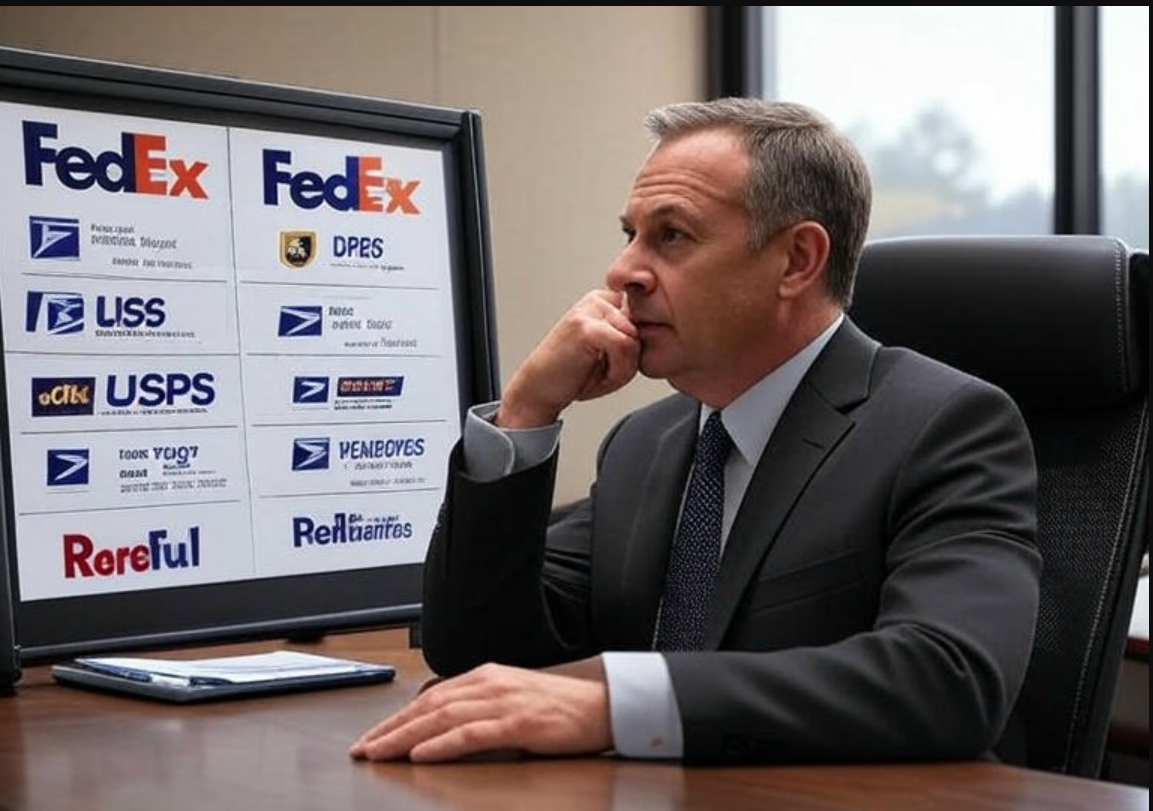
Using just one shipping company might seem easier, but it can end up costing you more. No single carrier offers the lowest rates for every situation. Rates can change based on where you're shipping, how fast the delivery needs to be, and the size or weight of the package. That’s why it makes sense to compare different carriers and choose the best one for each shipment.
FedEx might be cheaper for overnight deliveries, while USPS could be better for small packages or local shipping. Regional carriers, which focus on specific areas of the country, can also offer lower rates and faster service in those regions. Relying on only one provider means you may miss out on these savings and benefits.
7. Automate Shipping Label Creation And Rate Comparison
Manually handling shipping tasks takes a lot of time and can lead to mistakes. As your business grows, it's important to automate parts of the shipping process to save time and money. Shipping software can do this by helping you create labels, track packages, and compare shipping costs quickly and accurately.
Instead of typing in details for every package, shipping software pulls order information directly from your online store and creates labels automatically. This helps reduce human error and speeds up the packing and shipping process.
8. Negotiate Better Rates With Carriers
If you’re sending out orders regularly, don’t just accept the standard rates listed on a carrier’s website. You may be able to get a better deal by simply asking. Shipping carriers often offer discounts to businesses that ship in large volumes or commit to long-term partnerships.
To make a strong case, prepare your shipping data before reaching out. Show how many packages you ship each week or month, and highlight any growth trends. The more volume you can show, the more leverage you have to ask for better prices.
9. Enable In-Store Or Local Pickup
If you have a physical store or warehouse, giving customers the option to pick up their orders in person can help you cut shipping costs completely. This is especially helpful for customers who live nearby and would rather avoid delivery fees or wait times.
Offering local pickup also creates opportunities to connect with your customers. People who pick up in-store may buy more items while they’re there, and they get to interact with your staff, which helps build trust and loyalty. It’s a great way to create a stronger relationship with your local customer base.
10. Use Regional Carriers Or Local Couriers
Big national shipping companies aren’t always the cheapest or fastest choice. In many cases, regional carriers or local couriers can offer better prices, especially for short-distance or same-day deliveries. These smaller carriers focus on specific areas, so they often understand local delivery routes better and offer more personalized service.
For example, if you're shipping within the same state or region, a local carrier like OnTrac, Spee-Dee Delivery, or Lasership might be able to get the package there faster and for less money than one of the larger companies. This can be a smart option for businesses that serve a concentrated customer base.
11. Consolidate Shipments Where Possible
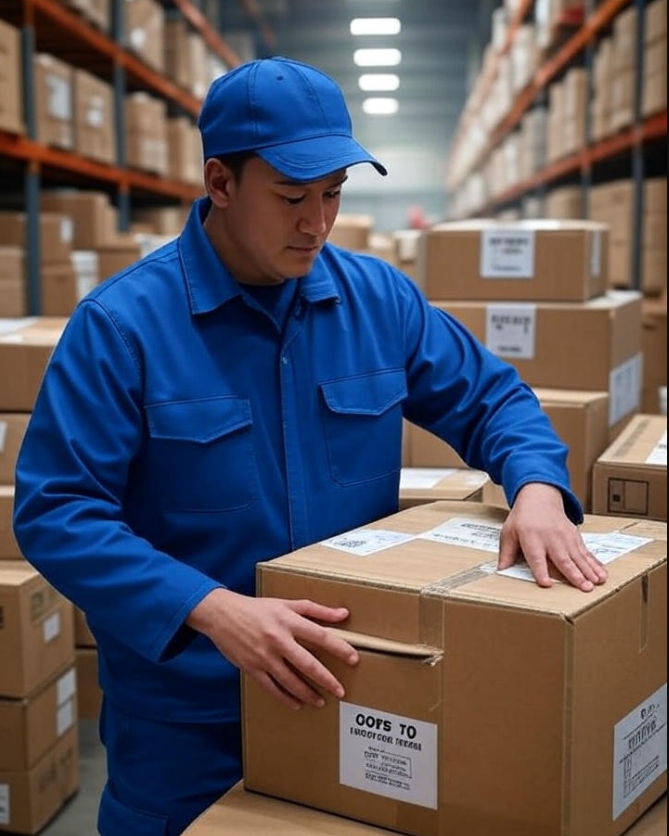
When a customer orders more than one item, sending each item in a separate box increases your costs. You end up paying more for packaging, shipping labels, and carrier fees. That’s why it’s smart to consolidate shipments when possible.
Start by grouping items that are going to the same address. If a customer places two orders within a short time, combine those into one package instead of sending them separately. You can also use shipping software to detect when a customer has made more than one order and automatically suggest combining them.
12. Encourage Minimum Order Thresholds For Free Shipping
Free shipping is one of the best ways to increase sales, but it can also reduce your profit if you don’t plan it carefully. One way to make it work is by setting a minimum order amount that the customer must reach to qualify for free shipping. This strategy can help you increase the average order value while covering shipping costs more effectively.
For example, if most customers usually spend around $35, you might offer free shipping on orders over $50. This encourages people to add more items to their cart so they can avoid the shipping fee. While they’re spending more, you’re bringing in extra revenue to help pay for the shipping.
13. Take Advantage Of Carrier Discounts And Programs
Many shipping carriers offer special programs for small and medium-sized businesses. These programs can give you access to lower shipping rates, especially if you ship often or use certain online tools. The savings can be significant and are easy to access once you sign up.
For example, USPS offers Commercial Pricing when you buy postage online through approved platforms. This can lower the cost of shipping packages compared to paying retail prices at the post office. FedEx has the Advantage Program, which offers discounts on both domestic and international shipping. UPS also has a program called Digital Access, which provides better rates through platforms like Shopify or Shippo.
14. Implement Smart Order Routing
If your business uses more than one warehouse or has multiple dropshipping partners, smart order routing can help lower your shipping costs. This means sending orders from the location that is closest to the customer, so the package doesn’t have to travel as far.
Shipping across fewer zones usually costs less. It can also reduce the delivery time, which keeps customers happy. Instead of always shipping from the same location, smart routing lets you choose the best fulfillment center based on where the product is and where the customer lives.
15. Reduce Returns Through Accurate Product Listings
Product returns cost your business time and money. Every return means more shipping fees, more time spent on customer service, and often a product that can't be resold at full price. One of the best ways to reduce returns is by making your product listings as accurate and detailed as possible.
Start by using clear, high-quality photos that show the product from different angles. If possible, include a short video that shows how the product works or looks in real life. This helps customers understand exactly what they are buying. If your product comes in different sizes, use size charts that are easy to read and match common sizing systems. For items like clothing or shoes, this is especially important.
16. Outsource Fulfillment Closer To Customers
Shipping costs go up when packages have to travel long distances. One way to solve this problem is by storing your products in different locations closer to where your customers live. This might sound complicated, but it’s easier if you work with third-party logistics (3PL) companies that already have warehouses across different regions.
By storing your best-selling products in more than one location, your orders can be packed and shipped from the warehouse that’s nearest to the customer. This means faster delivery and lower shipping costs. It also reduces the number of zones a package has to cross, which can make a big difference in price.
17. Use Real-Time Shipping Calculators On Checkout
When customers reach the checkout page, unclear or unexpected shipping costs often lead them to abandon their cart. A good way to fix this is by using a real-time shipping calculator on your website. This tool shows the exact shipping cost based on the customer’s address, the weight and size of the package, and the chosen delivery speed.
Instead of guessing or offering a flat rate that might not be accurate, this method gives customers up-to-date prices pulled directly from shipping carriers. It also gives them choices. Some may prefer a cheaper option even if it takes a bit longer, while others might pay more for faster delivery.
18. Monitor And Analyze Shipping KPIs

Shipping is a big part of your business costs, and if you don’t track it carefully, you might lose money without even realizing it. Key Performance Indicators (KPIs) are the numbers that help you measure how well your shipping process is working. By checking these numbers regularly, you can catch problems early and make improvements before they affect your profits.
Some important things to track include how much you’re spending on shipping for each order, how often packages are delivered late, and how many returns are caused by shipping problems. It’s also important to keep an eye on how each shipping carrier performs. If one is slower or more expensive than the others, it might be time to switch.
19. Collaborate With Suppliers For Drop Shipping
Drop shipping is not just for new online sellers. It can also help established businesses reduce shipping and storage costs, especially for certain types of products. In drop shipping, your supplier sends the product directly to the customer, so you don’t have to keep it in your warehouse or handle the packing and shipping yourself.
This model is especially useful for large or heavy items that cost a lot to store and ship, or for products that don’t sell often. Instead of tying up space and money holding inventory, you only pay for the product after someone places an order.
Also See - Cargo Insurance For Shipments - Understand It And Maximise Its Value
People Also Ask
How Does Packaging Affect Shipping Costs?
Carriers use dimensional (DIM) weight to price packages, meaning larger boxes cost more even if they’re light. Using smaller, right-sized packaging and reducing empty space helps lower shipping fees.
What Is Zone Skipping In Shipping?
Zone skipping involves grouping packages and sending them in bulk to a regional hub closer to the delivery location. From there, the packages are shipped individually. This reduces the number of zones crossed, cuts costs, and speeds up delivery.
What Is The Cheapest Shipping Platform?
Depending on your shipment specifications (type, dimensions, weight etc.), it is very likely that USPS will be the cheapest carrier for your shipment, especially given these discounts.
Final Thoughts
Lowering shipping costs doesn’t have to be difficult. With the right strategies, you can reduce waste, save money, and still give your customers fast, reliable delivery.
Take small steps first, review your current shipping process, compare carrier rates, or switch to better packaging. Over time, these changes can lead to big savings and smoother operations for your business.
You Might Also Like - Sea Vs Air Shipping Costs Compared - What’s Cheaper?