Sea Vs Air Shipping Costs Compared - What’s Cheaper?
Shipping goods internationally is a critical decision for businesses and individuals alike. The choice between sea and air freight can significantly impact your budget, delivery timelines, and overall efficiency.
With global trade evolving rapidly, understanding the cost differences between these two methods is more important than ever. This guide provides a comprehensive comparison of sea and air shipping costs, helping you make informed decisions for your logistics needs in 2025.
What Is Sea Freight?
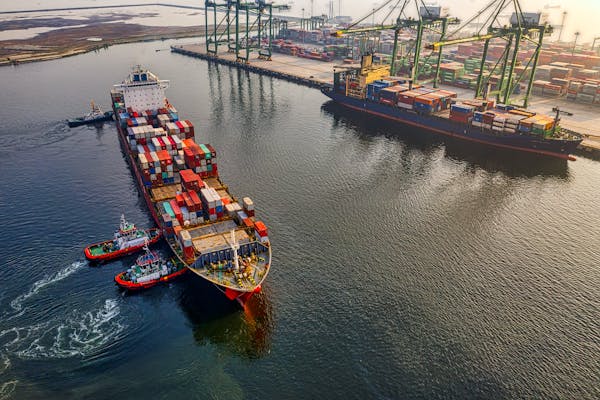
Sea freight, also called ocean freight, is the process of moving goods by ships across oceans and seas. It plays a key role in global trade, helping transport large amounts of cargo between countries and continents.
Goods are packed into containers and loaded onto cargo ships, which deliver them to their destination ports. Sea freight is a popular choice because it’s cost-effective, especially for heavy or bulky items, and can handle large shipments.
While sea freight takes longer than air freight, it’s often the better option for non-perishable goods or when shipping over long distances at a lower cost.
What Is Air Freight?
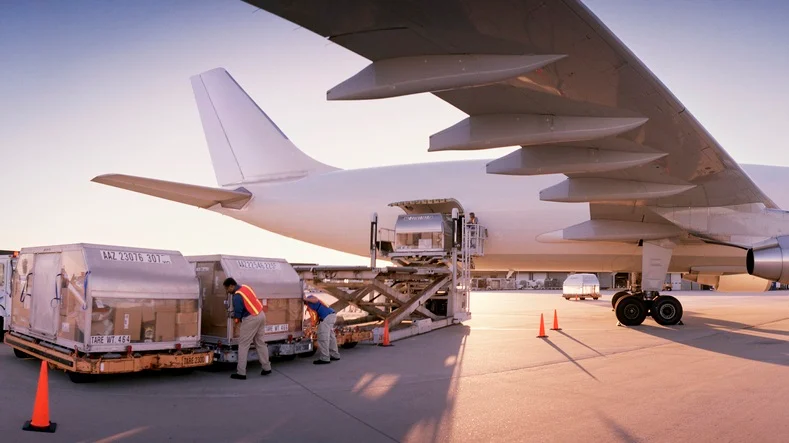
Air freight, or air cargo, is the process of shipping goods by airplane. It’s a quick and efficient way to transport items, especially when time is critical.
Goods are loaded onto planes, which fly directly to their destination airports. This avoids the delays often seen with other shipping methods like sea or road freight. Air freight is known for its speed, reliability, and ability to reach almost anywhere in the world. It’s a great choice for perishable goods, high-value items, or urgent deliveries.
Although air freight is usually more expensive than sea freight, it delivers goods much faster, often in just a few days or weeks, depending on the location.
Why Shipping Costs Matter For Businesses And Individuals
Shipping costs play a critical role in supply chain management, directly impacting profit margins, operational efficiency, and customer satisfaction. For businesses, excessive shipping expenses can reduce profitability, while unexpected delays may strain relationships with clients.
Individuals shipping personal items, whether for relocation or gifting, must balance affordability with timely delivery. Understanding why shipping costs matter can help businesses optimize logistics and individuals make informed decisions. Here are the key reasons shipping costs should be a priority:
1. Budget Constraints And Financial Impact
- For Businesses: High shipping expenses increase the cost of goods sold (COGS), reducing overall profitability. Small businesses, in particular, may struggle to absorb these costs, leading to higher product prices or reduced competitiveness.
- For Individuals: Expensive shipping fees can make international purchases or sending personal packages financially burdensome, leading to a search for cost-effective alternatives.
2. Customer Expectations And Satisfaction
- Fast and Affordable Shipping: Consumers expect quick and reasonably priced shipping. Delays or high fees may lead to abandoned shopping carts or negative reviews.
- Competitive Advantage: Businesses offering free or discounted shipping often attract more customers, increasing sales and brand loyalty.
3. Supply Chain Efficiency And Operational Success
- Timely Deliveries: Efficient shipping reduces delays, prevents inventory shortages, and ensures smooth order fulfillment.
- Minimizing Disruptions: Selecting the right shipping method air for speed or sea for cost savings helps avoid bottlenecks in supply chains.
- Strategic Planning: Businesses can optimize shipping routes, negotiate carrier contracts, and implement warehouse distribution strategies to lower costs.
Cost Comparison
Choosing between sea and air freight depends on several factors, including cost, delivery speed, and the type of cargo. Each method has its advantages and limitations, making it essential to understand the cost differences and when to use each option.
Sea Freight Costs
The average cost of sea freight ranges from $500 to $1,500 per 20-foot container, depending on factors such as shipping routes, cargo type, and fuel prices. Sea freight is a cost-effective solution for businesses handling large or heavy shipments. It is an environmentally friendly option as it produces lower carbon emissions compared to air transport.
Additionally, sea freight allows for high-capacity shipments, making it ideal for bulky goods like furniture, machinery, or raw materials. However, one of the major drawbacks of sea freight is the long transit time, which can take several weeks depending on the destination. It is not suitable for urgent shipments and can be subject to unforeseen delays due to weather conditions, port congestion, or customs processing.
When To Choose Sea Freight
Sea freight is the preferred option for large or heavy shipments where cost savings are a priority. It is best suited for businesses shipping in bulk, such as manufacturers or wholesalers dealing with industrial equipment, furniture, or automobiles. Since global shipping routesdetermine transit times and costs, factors like port congestion, seasonal demand, and geopolitical conditions can influence overall efficiency.
Companies with flexible delivery timelines benefit the most from sea freight, as it allows them to plan long-term supply chain strategies without the pressure of meeting tight deadlines. Individuals looking for a more economical way to transport goods internationally also find sea freight to be a practical choice.
Air Freight Costs
Air freight is significantly more expensive, with costs ranging from $3 to $8 per kilogram, depending on the destination, cargo type, and airline rates. The primary advantage of air freight is its speed. It drastically reduces transit times from several weeks to just a few days, making it the best option for time-sensitive deliveries. Air freight also offers more reliable scheduling since flights operate on fixed schedules with fewer disruptions compared to sea transport.
This shipping method is ideal for transporting high-value or perishable goods such as electronics, pharmaceuticals, or luxury items that require fast delivery. However, the high cost of air freight makes it unsuitable for bulk shipments. It also has a higher carbon footprint, making it a less environmentally sustainable option. Additionally, air freight is subject to stricter regulations, and certain hazardous materials may not be permitted for transport.
When To Choose Air Freight
Air freight is the best option for urgent deliveries where speed is critical. Businesses that rely on just-in-time inventory management, such as e-commerce retailers, often use air freight to fulfill customer orders quickly. High-value goods, including electronics and luxury items, require the security and reliability that air freight offers.
Perishable items such as seafood, flowers, and pharmaceuticals benefit from the shorter transit times, ensuring they arrive in optimal condition. When a shipment’s priority is speed and reliability rather than cost, air freight is the most suitable choice.
Factors To Consider When Choosing Between Sea Freight And Air Freight
1. Budget
Sea freight is generally the more affordable option, especially for large or heavy shipments. For example, a 100 seashipment could cost $1,200 or more if sent by air. This makes sea freight ideal for businesses or individuals shipping bulky items like furniture, machinery, or raw materials.
However, there’s a catch. For smaller shipments that don’t fill an entire container (known as Less than Container Load or LCL), sea freight costs are calculated based on volume (cubic meters). In some cases, this can make sea freight more expensive than air freight for the same package.
Air freight is significantly more expensive than sea freight, but it offers unmatched speed. If your shipment is small, lightweight, or time-sensitive, the higher cost of air freight might be justified.
Tools For Comparison
Advanced platforms like Freightify allow you to compare sea and air freight rates from over 30 LCL and FCL carriers and 90+ airlines. These tools provide real-time data, helping you make quicker and more informed decisions.
2. Timeline
Air freight is the clear winner when it comes to speed. It can deliver goods in a matter of days or weeks, depending on the destination. This makes it ideal for time-sensitive shipments like perishable goods, urgent documents, or high-value items.
Advantages of air freight include:
- Direct Delivery: Airplanes can reach even remote locations without additional transportation.
- Fewer Delays: Airports operate multiple flights daily, so missing a deadline doesn’t cause significant delays.
- Reliability: Air freight is less affected by external factors like weather or port congestion.
Sea freight is much slower, often taking 4-6 weeks for delivery. While “express sea freight” options have been introduced, they still can’t match the speed of air freight. Sea freight is also more susceptible to delays caused by port hold-ups, customs inspections, and adverse weather conditions.
3. Amount Of Cargo
Sea freight is designed to handle massive volumes of cargo. For example, the MSC Irina, the world’s largest cargo ship, can carry over 24,000 twenty-foot containers. Each container holds 1,172 cubic feet of cargo, making sea freight ideal for large-scale shipments.
In comparison, air freight has much smaller capacity. A Boeing 747 freighter, one of the largest cargo planes, can carry only about 26,000 cubic feet of cargo. This makes air freight better suited for smaller shipments or high-value items.
4. Environmental Impact
Sea freight has a significantly lower carbon footprint compared to air freight. On average, ships emit 10 to 40 grams of carbon dioxide per kilometer, while planes emit around 500 grams. This makes sea freight the more environmentally friendly option.
Starting in January 2024, new regulations will require ships to further reduce their carbon emissions or offset them by purchasing carbon credits. This will make sea freight even more sustainable.
Air freight’s speed comes at an environmental cost. The high fuel consumption and emissions associated with air travel make it less eco-friendly than sea freight.
5. Cargo Safety
Air freight offers high levels of security. Goods are closely monitored during transit, and airports have strict security measures to prevent theft. This makes air freight a good option for small, high-value items.
Sea freight also provides secure transportation, especially for large shipments. Goods are packed into standardized containers, which protect them from damage during transit. However, the multiple handling processes involved in sea freight can increase the risk of damage or theft.
6. Restrictions On Type Of Cargo
Air freight has more restrictions, especially for hazardous materials like chemicals, flammable liquids, and magnetic items. Weight limits and airport security measures also add to the limitations.
Sea freight is generally more accommodating when it comes to the types of cargo it can handle. While it has its own restrictions (e.g., customs regulations, port-specific rules), it’s more versatile than air freight.
7. Seasonal Demand
Air freight rates often spike during peak seasons, such as holidays (e.g., Christmas, Black Friday) or cultural events like Chinese New Year. During these times, demand for air cargo space increases dramatically as businesses rush to meet consumer needs. This surge in demand can lead to:
- Higher Costs: Airlines may increase prices due to limited cargo space.
- Limited Availability: Securing a spot on a flight can become more challenging.
If your shipment is time-sensitive and falls during a peak season, it’s crucial to plan ahead and book early to avoid delays and inflated costs.
Sea freight is generally less affected by seasonal demand compared to air freight. While there may be slight increases in rates during peak periods, the impact is usually minimal. This makes sea freight a more stable option for businesses that operate year-round.
8. Fuel Prices
Fuel prices play a major role in air freight costs. Airlines often impose fuel surcharges, which can fluctuate based on global oil prices. When oil prices rise, these surcharges can significantly increase the overall cost of air freight.
For example, if oil prices spike due to geopolitical events or supply chain disruptions, businesses relying on air freight may face unexpected expenses.
While sea freight is also affected by fuel prices, the impact is less pronounced compared to air freight. Ships are more fuel-efficient than airplanes, and the cost of fuel is spread across larger volumes of cargo. This makes sea freight a more predictable option in terms of fuel-related expenses.
9. Customs And Import Duties
Air freight shipments often face higher customs and import duties, especially in countries that impose strict regulations on air cargo. These fees can include:
- Customs Clearance Fees: Charges for processing goods through customs.
- Import Taxes: Additional taxes based on the value of the goods.
While air freight is faster, these added costs can make it less economical for certain shipments.
Sea freight typically incurs lower customs and import duties compared to air freight. However, the customs clearance process for sea shipments can take longer due to the larger volume of goods being processed.
Advantages of sea freight in this area include:
- Lower Fees: Reduced taxes and duties make it more cost-effective for large shipments.
- Predictable Costs: Customs fees for sea freight are often more consistent and easier to budget for.
Environmental And Sustainability Considerations
Shipping methods play a significant role in global carbon emissions and environmental sustainability. Understanding the global economy requires a grasp of numbers. Just like learning to multiplybuilds a foundation for math, understanding trade agreements requires a solid foundation of fundamentals. Understanding the impact of air and sea freight can help businesses make eco-conscious decisions while balancing efficiency and cost.
Environmental Impact Of Air Freight
Air freight is known for its high carbon footprint due to the extensive fuel consumption required for aircraft operation. Aviation emissions contribute significantly to global greenhouse gases, making air transport one of the least sustainable shipping options.
However, many logistics companies are implementing carbon offset programs, investing in renewable energy projects, and improving fuel efficiency to reduce environmental impact.
Environmental Impact Of Sea Freight
While sea freight is generally more eco-friendly than air freight in terms of carbon emissions per ton of cargo, it still has environmental drawbacks. Cargo ships contribute to ocean pollution through oil spills, ballast water discharge, and emissions from heavy fuel oils.
However, the industry is increasingly adopting green shipping initiatives, such as energy-efficient vessel designs, slow steaming (reducing speed to lower emissions), and cleaner fuels to mitigate environmental damage.
Sustainability Trends In Shipping
The logistics industry is embracing sustainability through various measures. Many shipping companies now offer carbon-neutral shipping options, allowing businesses to offset emissions by supporting reforestation and clean energy projects.
The use of biofuels and alternative energy sources, such as LNG (liquefied natural gas) and hydrogen-powered ships, is gaining traction. Additionally, advancements in emission reduction technologies, including scrubbers and shore power systems, are helping to minimize the environmental footprint of global shipping.
Tips For Reducing Shipping Costs
Managing shipping expenses efficiently can significantly impact overall logistics costs. Below are key strategies to help reduce shipping expenses without compromising reliability.
1. Consolidate Shipments
Sending multiple small shipments separately increases costs due to higher handling fees and minimum charges per package. By consolidating shipments into a single, larger load, businesses can take advantage of bulk shipping rates.
Freight forwarders and logistics providers often offer consolidation services, allowing multiple smaller shipments to be combined, reducing per-unit transportation costs.
2. Optimize Packaging
Packaging plays a crucial role in determining shipping costs. Carriers calculate rates based on both weight and volume, so using excessive packaging can increase expenses unnecessarily.
Choosing lightweight, compact, and durable packaging materials minimizes dimensional weight charges. Businesses can also explore sustainable packaging options that reduce waste while keeping shipping costs low.
3. Compare Quotes From Different Carriers
Freight rates vary depending on the carrier, route, and shipping method. Comparing quotes from multiple providers ensures the best deal for each shipment.
Online freight marketplaces and logistics platforms make it easy to evaluate pricing, transit times, and additional services. Businesses should also consider factors like insurance, tracking, and customer support when selecting a shipping partner.
4. Plan Shipments In Advance
Urgent or last-minute shipping often leads to high costs due to rush fees and limited carrier availability. Planning shipments ahead of time allows businesses to use slower but more affordable shipping methods, such as sea freight instead of air freight.
By forecasting demand and scheduling deliveries strategically, businesses can avoid unnecessary premium charges while ensuring timely fulfillment.
5. Negotiate Long-Term Contracts With Carriers
Businesses that ship regularly can negotiate better rates by establishing long-term partnerships with carriers. Many logistics providers offer discounts based on shipping volume and frequency.
Building a strong relationship with a preferred carrier can lead to exclusive deals, priority handling, and additional cost-saving opportunities over time.
People Also Ask
Which Shipping Method Is Cheapest?
The cheapest way to ship a package will depend on factors such as package size and weight, as well as distance and delivery speed. Generally, USPS Ground and Priority Mail are the most affordable shipping options.
Can I Ship Perishable Goods By Sea?
While possible, perishable goods are better suited for air freight due to its speed and controlled conditions.
What Are The Risks Of Sea Shipping?
Storms, high winds, and rough seas can cause: Damage to containers and their contents. Delays in transit times. In extreme cases, loss of cargo or even entire vessels.
How Do I Calculate Shipping Costs?
Air freight is based on weight or volume, while sea freight is based on container size or cubic meters. Additional fees like customs duties and fuel surcharges also apply.
How Do Customs Fees Impact Shipping Expenses?
Customs fees vary by country and product type. Air shipments often have stricter regulations, resulting in higher fees compared to sea freight.
Final Words
Choosing between air and sea freight depends on cost, speed, and the type of goods being shipped. Air freight is faster but more expensive, making it ideal for urgent or high-value shipments.
Sea freight, on the other hand, is cost-effective and better suited for large, non-urgent shipments. Understanding the cost structure and factors influencing shipping expenses ensures better logistics planning.