How To Choose A Freight Forwarder | 10 Steps To The Right Partner
The right company handle all the tricky international shipping stuff so you can grow your business. They know customs rules, get good rates and make sure your goods arrive safely.
But with so many companies out there, how do you find one you can trust. Look at their experience, technology, global reach and hidden costs. This piece will help you choose the best partner for your business.
1. Check Their Licenses And Insurance

Make sure any shipping company you consider is legal and properly licensed. They need the right permits to move your goods, especially for sensitive or dangerous items. In the US, real shipping companies must have a special license from the Federal Maritime Commission(FMC).
Ask for their FMC number and check it yourself on the FMC website. This shows they met financial and legal rules. For international shipping, look for companies in trusted industry groups. This means they follow good practices.
Insurance is important, ask for proof they have full coverage for your cargo, their mistakes, and any liability. Check the coverage amount matches your shipment's value. Never guess what is covered, ask directly.
2. Look At Their Global Reach
Pick a company that regularly ships to your destination countries and understands local rules and customs. See if they have their own offices there. Ask about their carrier relationships. Good companies work with many shipping lines, airlines and truckers.
Find out which carriers they use for your routes. Shipping delays at ports are common now. Your partner should know backup ports when main ones get crowded. A company stuck using only one port can leave your shipment stuck for longer.
3. Find Partners Who Know Your Industry
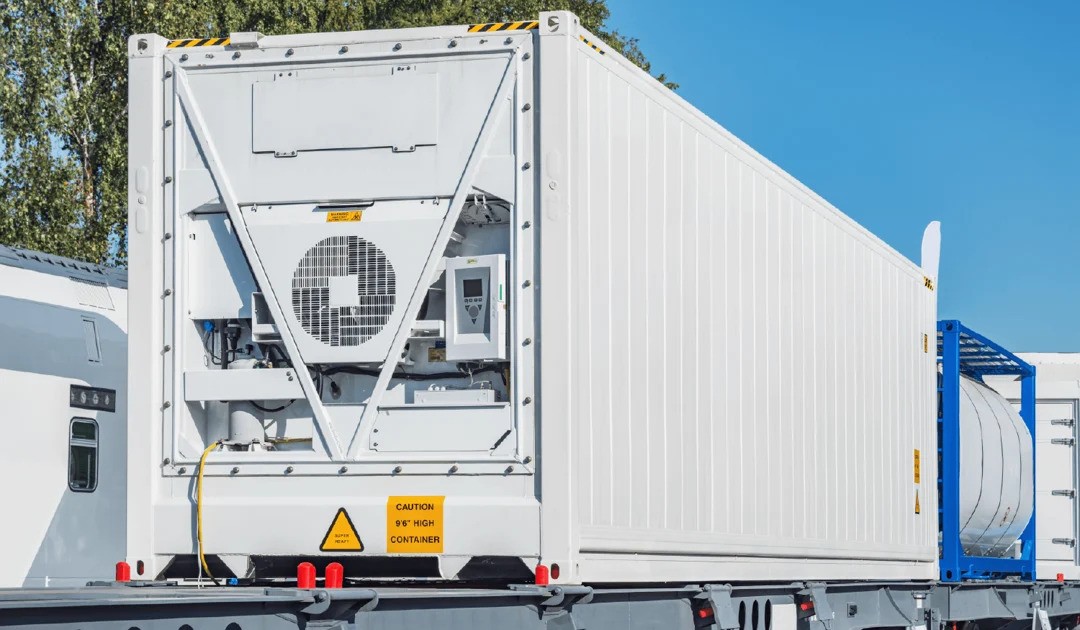
You need partners who know your industry inside out, including its rules and how your goods must be handled. For shipments that need to stay cold, pick a forwarder experienced with cold chain logistics, refrigerated containers and temperature tracking.
If you ship hazardous materials, they must have the right certifications, know the paperwork, and work with carriers that handle dangerous goods. For very large items, find someone skilled in planning routes, getting permits and using special equipment.
Ask potential forwarders about their experience with your specific products. Get examples of past work or client references for similar shipments. Find out how they handle your industry's rules and what they do when problems happen with your type of cargo.
4. Check Their Tracking Tools
Good freight forwarders use solid technology to help you track shipments, manage paperwork and stay in touch. Ask to see their customer tracking system. Not knowing where your shipment is creates uncertainty and messes up your plans.
Digital paperwork is important, your forwarder should provide electronic bills of lading, invoices, packing lists and certificates through their platform. Uploading, sharing and storing documents online speeds up customs and cuts admin work. Some forwarders use smart tools to predict delays, find better routes and manage costs.
5. Check Their Full Range Of Services

Good freight forwarders do more than just move your goods. They show you how to reduce shipping costs. Look at all the extra help they offer and decide what your business needs today and later as you grow. Handling customs paperwork is the most important extra service.
Warehousing and distribution give you options when shipments arrive early or you need storage near ports. Ask where their warehouses are, how much storage costs and what extras they provide like repackaging, labeling, or checking product quality.
Insurance through your forwarder is often cheaper than getting it yourself. Compare their plans with what you have now. Know exactly what is covered, how to file a claim, and any gaps that could cost you money. Help with trade rules makes international shipping less confusing.
6. Look Into Their Financial Strength
Your freight forwarder handles your valuable goods and pays other companies like carriers and warehouses. If they are in trouble, your shipments could be too. Find out how long the company has been in business and who owns it.
Check their business credit report. A poor score could mean they struggle with money, which might hurt their service or risk your cargo if they cannot pay carriers. Ask about their total shipping volume and customer list.
Forwarders moving lots of cargo usually get better rates and better service when space is tight. For major long-term deals, ask to see their official financial records. Smaller forwarders might not provide these, but larger companies should share them with important clients.
7. Check Pricing And Hidden Fees

Ask for a detailed breakdown showing every fee, charges at the start, shipping costs, fees at the end, customs, delivery and paperwork. Avoid "all-in" prices with no details. You can't compare them easily and they hide where costs might jump later. Late fees for holding containers too long can really add up.
This happens if you take too long to pick up a full container or return an empty one. Your forwarder must clearly tell you how much free time you get and what the daily late fee is. Find out how they help you avoid these fees through better planning.
Also, know how they handle changing costs like fuel surcharges or currency fees. Compare payment terms too. Net 30 or Net 60 terms help your cash flow. Paying upfront can hurt your business. Ask if they want payment before or after they ship your goods.
8. Test Communication Level
Poor communication in the workplacecause more problems in shipping than almost anything else. How quickly and clearly they talk to you affects how well you can serve your own customers.
See how fast and clear they reply when you ask questions. This shows how they'll handle your real shipments. Ask who you will talk to. Having a dedicated contact builds better service over time. Find out what happens when things go wrong.
Real help during a crisis is key. Check how you can reach them. Do they offer phone, email, chat or an app. Can you get help outside regular hours. International shipping often needs support across different time zones. If you ship to places where English isn't spoken, ask if they have staff who speak the local language.
9. Check Their Track Record
Reviews matter a lot when picking a freight company or partner. Ask the company for customer contacts, especially businesses like yours that ship similar goods to the same places. Call these people directly.
Find out how quickly the company responds, how they fix problems, if their pricing is correct and if the customer would use them again. Look up online reviews on sites like Google and Trustpilot. One bad review might not mean much, but many people saying the same thing about hidden fees, poor communication or damaged goods is a serious warning.
Awards can show others respect them. See if they've been recognized for good service or customer care. Ask how long their customers usually stay. If many leave quickly, their service might be unreliable. Long-term customers usually mean the company is doing a good job.
10. Test Them With Trial Shipments
Start with a small, less important shipment. This lets you see how they perform before trusting them with valuable or urgent cargo. Decide what you'll measure before the test shipment.
Use this small test to see how they cope under pressure. Ask for quick quotes, pose tricky questions or change plans last minute. How they act when things get tough matters most. After the test shipment, review what happened.
What worked well, what didn't and use this to decide if they're right for you. Give them a little time to learn your needs. But if you see big problems with communication, honesty or basic skills during the test, it probably won't get better. Pay attention to those warning signs.
Container Demurrage And Detention Charges
Shipping companies charge these fees to keep containers moving. Demurrage applies when containers sit at the port past the allowed time. Detention applies when you keep the container after pickup and don't return it empty on time.
Your freight forwarder should help you avoid these charges by clearly explaining time limits, container readiness and return deadlines. Ask potential forwarders how they track time limits, avoid delays at busy ports and coordinate with your warehouse for fast pickup and return.
Detention fees start the day after pickup if you keep the container too long. Your forwarder must build realistic timelines that include unloading time and getting the empty container back to the yard.
Warning Signs Of A Bad Freight Forwarder
Avoid any forwarder who won’t give you client references, lacks proper licenses or insurance or pushes hard for long contracts before proving themselves.
Also stay away from those with big differences between quoted and final prices or poor communication during the sales process. If they’re hard to reach now, it will get worse after you sign up.
Key Questions To Ask Your Freight Forwarder
Ask about their on-time arrival rate, how they handle missed ship departures, response times and experience on your specific routes. Find out what extra fees might apply, how they manage currency changes, how their pricing disputes are handled under consumer protection lawsand if they offer all-inclusive pricing.
Check if you can see real-time tracking, how they notify you about delays, what reports they provide and if their system works with your software. Ask about recent problem-solving examples, what happens if cargo is damaged, how quickly they respond to urgent issues, and their claims process. Their answers tell you more than any brochure ever could.
Freight Forwarder Certifications
- FIATA Diploma - This global cert means the team knows freight forwarding well. Companies with it usually handle shipments better.
- Certified Customs Specialist - This shows deep knowledge of customs rules. Your forwarder can clear goods through customs without delays.
- ISO 9001 - This is about consistent quality in how a company works. It means they follow solid processes across the board.
- C-TPAT - If you ship to the US, this cert matters. It helps your shipments move faster through US customs with fewer checks.
- AEO - This works like C-TPAT but in Europe and other areas. It gets your goods through borders more smoothly. Check what certs the company holds and which staff working on your account have them. Both the company and your main contacts should be certified.
FAQs About Choosing A Freight Forwarder
How Much Does A Freight Forwarder Cost?
Costs change based on how you ship, where you're sending it, what you're sending and how much help you need. They might charge a percentage of your shipping cost (usually 5% to 15%) or a set fee per shipment.
Can Small Businesses Use Freight Forwarders?
They give you access to shipping deals and expertise you couldn’t get alone. They combine small shipments to save costs and handle complex paperwork you might not have time for.
How Long Should I Take To Choose A Freight Forwarder?
Give yourself 4–6 weeks to research, get quotes, talk to them, check references and test with a small shipment. If you’re in a hurry, still check their license and insurance before sending anything.
Should I Use One Forwarder Or Several?
Most companies use one main forwarder for most shipments but keep a backup for specific routes or tricky cargo. Sticking with one main partner gets you better rates and priority service.
How Often Should I Check My Forwarder’s Performance?
Review their work every three months. Look at on-time deliveries, pricing accuracy, communication, and how fast they fix problems. Keep an eye on things between reviews.
Can I Get A Better Price From Freight Forwarders?
Get quotes from others to compare. Show you’re a reliable customer with steady shipments and clear paperwork. Ask about discounts for volume, yearly deals or stable rates. But don’t just pick the cheapest, focus on value, not just price.
Final Thoughts
Choosing the right shipping partner affects your costs, your customers and your growth overseas. Check they are licensed and follow the rules first. Then look at their experience, network, technology and services to see if they fit your needs.
Good finances, clear pricing on all fees and strong communication are key. Try them with a small shipment and check references. Use this steps to find the best shipping partner for you today.
Also Check Out: Understanding Cargo Insurance For Shipments