Container Demurrage Charges Explained | How To Avoid Fees In 2025
You import goods by sea and then get a surprise bill for demurrage that can be hundreds or thousands of dollars. The invoice may show terms like "excess days", "Last Free Day" and "terminal occupancy fees" without explaining them.
Demurrage is the charge for containers that stay at a port past the free time. These costs add up fast and can wipe out a shipment’s profit. Businesses need clear, practical info, how charges are calculated, what triggers them, how they differ from detention and ways to avoid extra costs.
Container Demurrage Charges
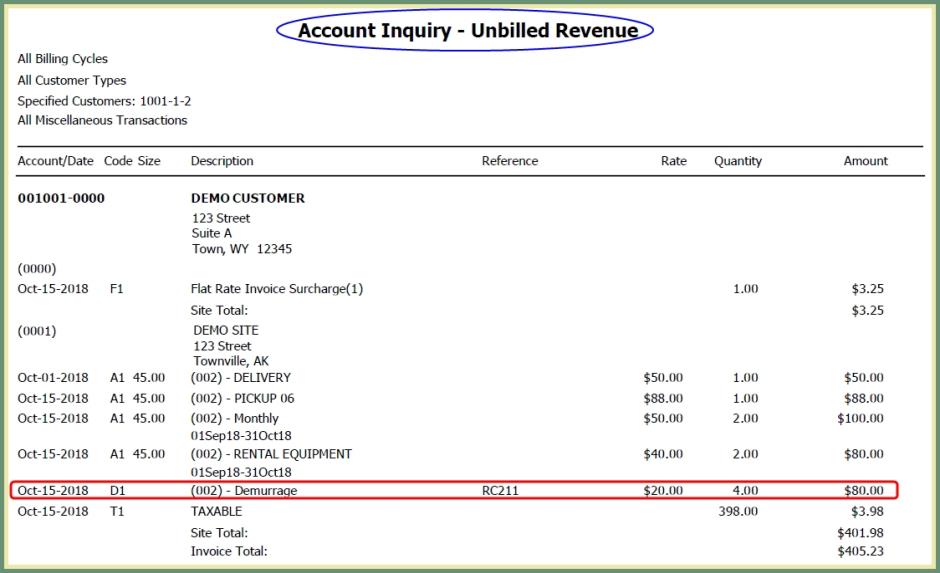
Demurrage is a fee charged when a container stays at a port past the agreed free time. Carriers bill this amount for each day after the Last Free Day to cover use of their equipment while it occupies terminal space.
When you import goods, you keep the box only for a short window to unload and return the empty unit. Rates depend on container type and port and are charged per unit each day beyond the free period.
Reasons For Demurrage
Ports have very limited space and thousands of boxes move through them every day. Daily fees push importers to collect cargo faster so yards stay clear and operations run smoothly.
The charge also protects carrier inventory: empty units must return to export markets, and idle boxes cost time and money and slow global trade.
Free Time Period Concept
Free time is the number of days a shipping line gives you to pick up a container from a terminal or railyard without extra fees. Knowing this helps you avoid demurrage charges. It usually runs from 3 to 7 calendar days and depends on the carrier, port, container type and contract.
Air and rail moves often allow 48 hours, ocean shipments commonly allow four days. The clock starts when the box is unloaded from the vessel and marked ready at the terminal. Start times differ by carrier and facility, so confirm the exact moment with your shipping line.
Calendar days count weekends and holidays. For example, if a container arrives on Friday and you have four days of free time, the period ends on Tuesday, even though you only have three business days to arrange pickup.
How Demurrage Charges Are Calculated
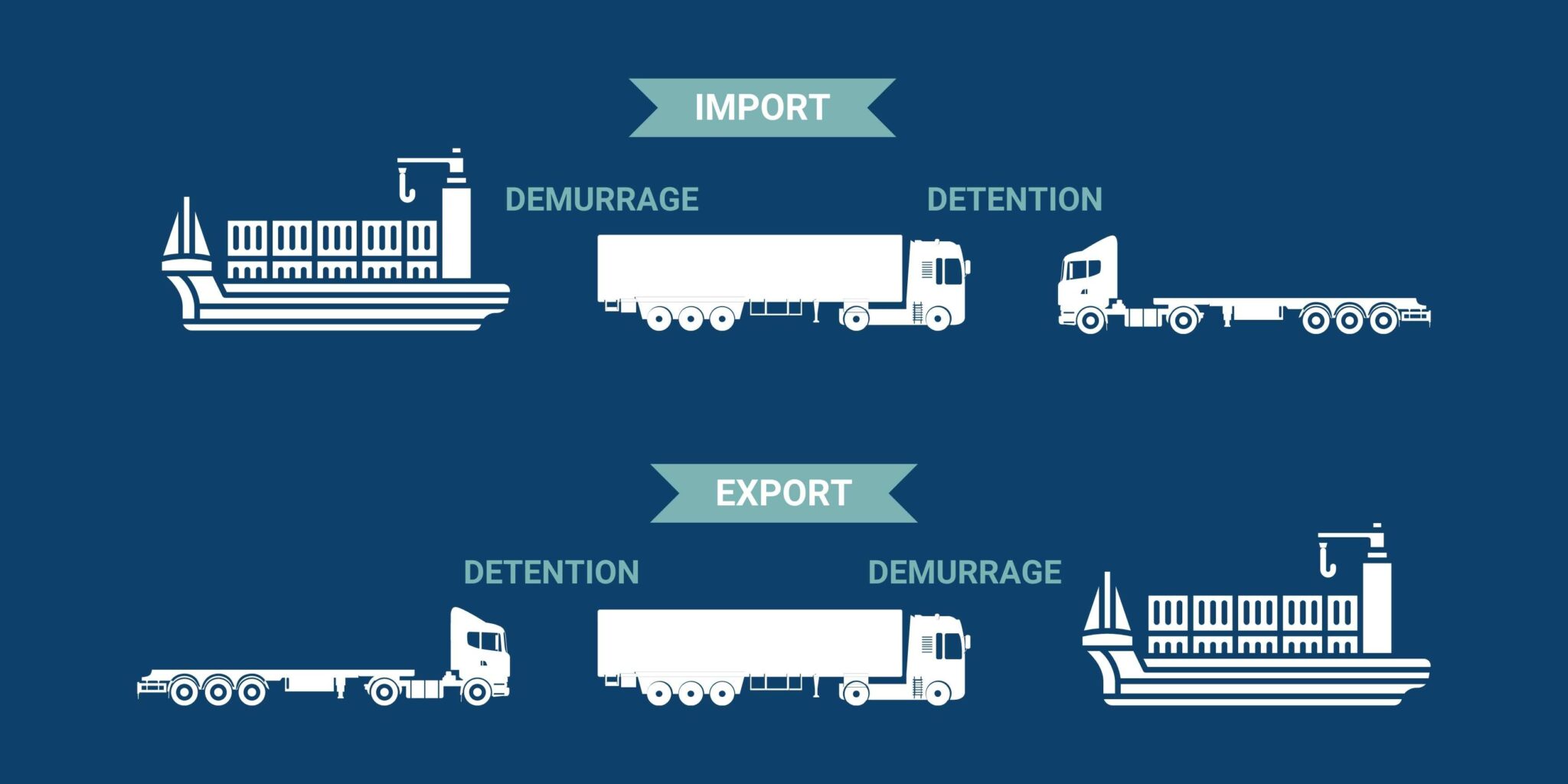
Demurrage Charge = Excess Days × Daily Demurrage Rate. The math appears straightforward, but understanding what constitutes "excess days" and how rates apply requires careful attention.
For example, if your container is delayed by five days and the daily demurrage fee is $100, you're looking at an additional cost of $500 per container. Rates rarely remain static across all excess days.
Demurrage charges are calculated by multiplying the penalty rate with the number of days that exceed the time limit. The complexity emerges when carriers apply tiered rate structures where fees increase the longer containers remain at terminals.
Typical Daily Rates And Tiered Structures
Daily demurrage rates vary significantly based on multiple factors, container size (20-foot vs. 40-foot), equipment type (standard vs. refrigerated or special containers), destination port, and current market conditions.
Standard containers might take $75-$150 per day for the first few excess days. Most carriers put high rate structures to punish extended delays. Days 1-3 beyond free time might cost $100 daily. Days 4-7 could jump to $150. Days 8+ might reach $200 or higher.
Refrigerated containers (reefers) requiring power connections at terminals might cost $200-$400 per day in demurrage. Open-top containers or flat racks can take up even higher charges. Detention charges may be a slightly lower rate than demurrage, around $50 to $100.
Partial Day Calculations
Demurrage charges typically apply on a per-day basis, even for partial days, so if the container goes over by even a few hours on a particular day, you'll likely be charged for the full day.
Going over your Last Free Day by just two hours results in a full day's demurrage charge. Carriers don't prorate fees based on hours, the day boundary determines charges. Understanding this helps prioritize pickup timing.
Some carriers calculate based on calendar days while others use a "day 1" system starting when containers become available. Confusion about calculation methods leads many importers to take up unplanned charges.
Factors Affecting Your Demurrage Rate
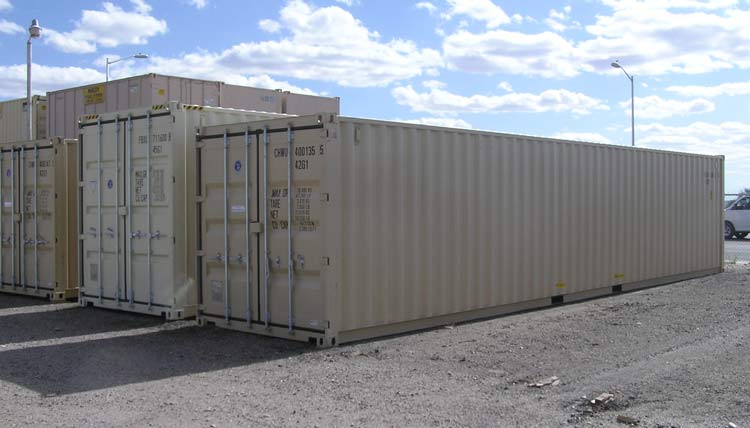
- Container Size - 40-foot containers typically cost 1.5-2x more than 20-foot containers for equivalent excess days.
- Equipment Type - Standard dry containers represent baseline rates. Refrigerated containers, tank containers, flat racks and special equipment command substantial premiums.
- Port Location - Major hub ports like Los Angeles/Long Beach, New York/New Jersey, or Savannah often have higher rates than smaller regional ports. International locations vary widely, Asian ports typically charge less than North American or European facilities.
- Carrier Relationship - High-volume shippers sometimes negotiate preferential demurrage rates or extended free time as part of service contracts. Your bargaining power directly affects the charges you face.
- Seasonal Demand - Peak shipping seasons like August-October for pre-holiday imports, sometimes see carriers carry out surcharges or rate increases including demurrage fees.
- Congestion Situations - During periods of severe port congestion, carriers may temporarily modify demurrage structures, sometimes extending free time, sometimes increasing rates to force faster container movement.
Demurrage Vs. Detention - Key Difference
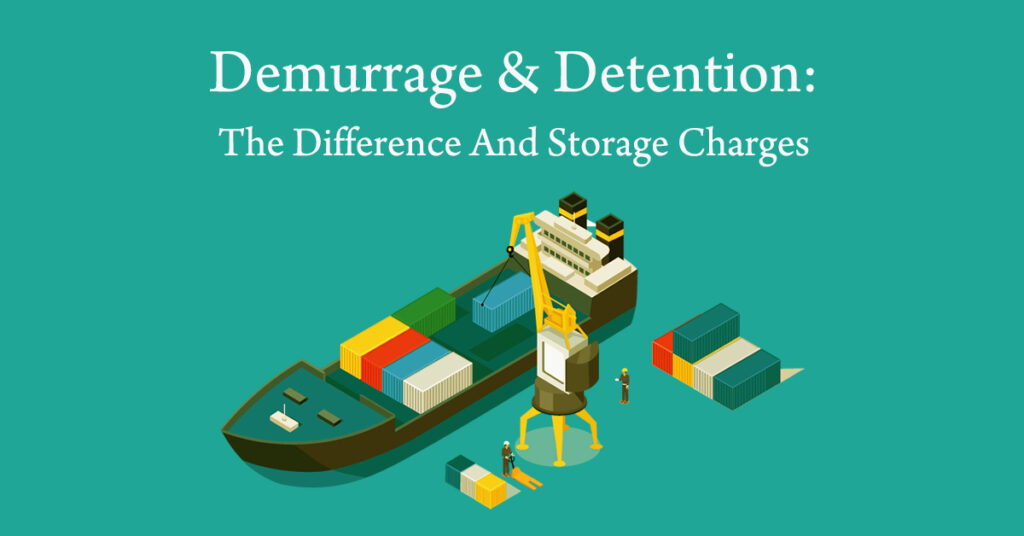
The key difference is where the container is when extra fees start. Demurrage happens when a full container stays inside the port or terminal past the free time. Detention happens when a container is kept outside the port or terminal past the allowed period.
The port gates mark the change. If a full import container waits at the terminal after the last free day, demurrage begins. Once that box is picked up and taken to a warehouse, any extra time kept there or on the road can lead to detention fees.
How The Timelines Work
Demurrage- the container is unloaded from the ship, becomes available at the terminal, free time runs out, and then demurrage starts until the box is taken.
Detention- the container is taken from the terminal with cargo, free time for unpacking starts, the allowed return time passes, and detention starts until the empty unit is returned.
Some importers think picking up a container stops all possible fees. It does not. Picking up ends the chance of demurrage but can start detention if the empty unit is not returned on time.
Separate Free Time Allocations
Demurrage and detention have separate free time allowances. You might receive 5 days to pick up your full container from the terminal (demurrage-free period) plus 5 additional days to unpack and return the empty (detention-free period). These periods don't stack, you get separate windows for each phase.
Why Both Charges Exist
Demurrage protects terminal capacity and ensures smooth cargo flow through port facilities. Detention protects carrier container inventory, ensuring equipment circulates back into the shipping network rather than sitting idle at customer locations.
Understanding this difference is important for cost management since you can t both charges on the same shipment if you delay terminal pickup and then also delay returning the empty container. Also consider cargo insurance for shipmentsto protect the value of your goods while you manage these fees.
Who Pays Demurrage

Shipping agreements name the party that must pay demurrage. Most often the receiver of the goods (the consignee) is charged because they control when containers leave the terminal. But the contract can assign costs differently.
How Shipping Terms Affect Payment
International Commercial Termsset when ownership and risk move from seller to buyer. For example, under DDP the seller may still pay for demurrage. Under FOB the buyer usually pays for any costs after the shipment leaves the port.
When many companies handle the shipment, importers, cargo owners, freight forwarders, customs brokers or truckers, the carrier charges the party shown as responsible on the bill of lading.
The "Able To Avoid" Principle
The FMC clarified that charges must only apply to parties who had the ability to avoid the delay, if that's not you, you shouldn't be billed. Recent regulatory scrutiny in the United States has focused on fair application of detention and demurrage charges.
If port congestion or terminal operational problems prevented you from getting your container even after trying to do so, you may have grounds to argue charges. If customs holds delayed release through no fault of yours, responsibility becomes less clear.
Causes Of Demurrage Fees
- Customs Checks - When officials pick a shipment for inspection, containers stay at the terminal until the check finishes and goods are released.
- Missing Or Incorrect Paperwork - Terminals often need original bills of lading before they let you collect cargo. Unpaid charges, unresolved liens or disputed fees can also block release.
- Port Congestion And Limited Appointments - Large ports can be crowded and pickup slots may be booked days or weeks ahead after storms, labor actions or equipment failures.
- Trucking And Chassis Problems - If your carrier is overbooked, lacks chassis or cannot get terminal appointments, containers remain at the port.
- Weekends And Holidays Count - The free period is counted in calendar days, so weekends and public holidays reduce the number of business days you have to act.
- Limited Warehouse Capacity - If your receiving site is full, lacks offloading gear or operates short hours, you may not be able to accept cargo even after pickup.
Strategies To Avoid Demurrage Charges

- Plan before the ship arrives - Use the carrier’s tracking to see the expected arrival date and get paperwork ready. File required customs forms on time and tell your customs broker about incoming loads so they can clear them fast.
- Know your free time rules - Confirm when the free period begins and ends, how many days you have and if weekends or holidays count. Ask the carrier how to check container status.
- Ask for more free time when needed - Request an extension before charges start. Large shippers can often get extra days through contract terms. Carriers may extend time during heavy port delays, disasters or as a one-time courtesy for good customers.
- Prioritize which loads to pick up - If several boxes are at the terminal, choose smartly. Collect units with the highest daily charge first and those closest to the final free day. Only use pickup slots for shipments already cleared by customs.
- Use container freight stations when helpful - CFS or transload hubs can receive full units, unload, sort and secure cargo, then return empties quickly.
- Track containers in real time - Use tracking platforms, terminal portals and carrier apps to watch container status and get alerts for discharge, customs release, and the final free day.
Import Vs. Export Demurrage Differences
Import Demurrage
When a full container stays at the destination terminal past the allowed free days, the port applies demurrage fees. Charges begin when the box arrives at the terminal and end when it is picked up and put on a truck. The consignee decides when to collect the shipment, so they are mainly responsible for avoiding extra cost.
Export Demurrage
Export fees apply when a container handed in for loading stays at the terminal past the permitted time. The charge runs from the moment the shipment arrives until it is placed on the vessel.
These cases happen less often but can be expensive, usually after vessel delays, booking changes, or missing paperwork. Exporters normally deliver close to cut-off times, which raises the chance of charges.
Main Operational Differences
- Who controls timing - For imports, the consignee controls pickup. For exports, the shipper controls delivery but cannot control the ship’s departure.
- Documents and holds - Import delays commonly come from customs clearance or unpaid charges. Export delays more often come from booking errors, incomplete documents, or schedule changes.
- Terminal checks - Imported boxes must clear customs before release. Exported boxes go through security and customs checks after arrival and before loading.
- Free time rules - Carriers may set different free-day limits for imports and exports, even at the same port.
Regional Differences In Demurrage Practices
- North America - U.S. and Canadian harbors usually allow 4–5 calendar days of free time for standard containers. Large hubs such as Los Angeles/Long Beach, New York/New Jersey, Savannah and Vancouver often charge more because terminals are busy.
- Europe - Terminals across Europe commonly offer 3–7 days of free time, depending on the facility and carrier. Northern harbors like Rotterdam, Hamburg and Antwerp generally give about 4–5 days, while southern locations may allow a bit longer. EU rules on contract fairnessand consumer protection shape how charges are set.
- Asia - Many Asian terminals give shorter free periods, typically 2–4 days, but the daily charges are often lower. High cargo volumes and efficient operations help move containers faster.
- Developing markets - Some ports extend the free period to cope with weaker logistics. Others apply steep fees to control chronic delays. Legal protections can be limited, so resolving disagreements may rely more on personal relationships and negotiation than on formal rules.
Demurrage's Financial Impact On Business
Direct Costs
Late container fees cut into profits. If you import 20 containers a month and each one sits for 3 days at $100 per day, that is $72,000 a year (20 × 12 months × 3 days × $100). That cash could pay for new equipment, marketing, or extra staff.
With thin margins, a single fee can erase gains. For example, a shipment that earns $5,000 in profit loses 20 percent if hit with a $1,000 late fee. Surprise bills also make cash flow planning harder when budgets do not allow for these extra sums.
Hidden Expenses
There are costs beyond the invoice. Time spent by staff gathering documents, disputing fees, and fixing problems takes them away from work that brings in revenue.
Rushing to avoid fees often means accepting higher trucking rates or paying for rushed service. Delays tied to late fees can also make you miss delivery dates, harm customer trust, and cost you future orders.
Competitive Impact
Businesses that keep these fees under control have lower overall costs and move stock faster. In tight markets, a 1 to 2 percent difference in landed cost can decide who wins a sale. Better handling of container delays leads to faster inventory turns, steadier service, and a stronger position against rivals.
Technology In Demurrage Management
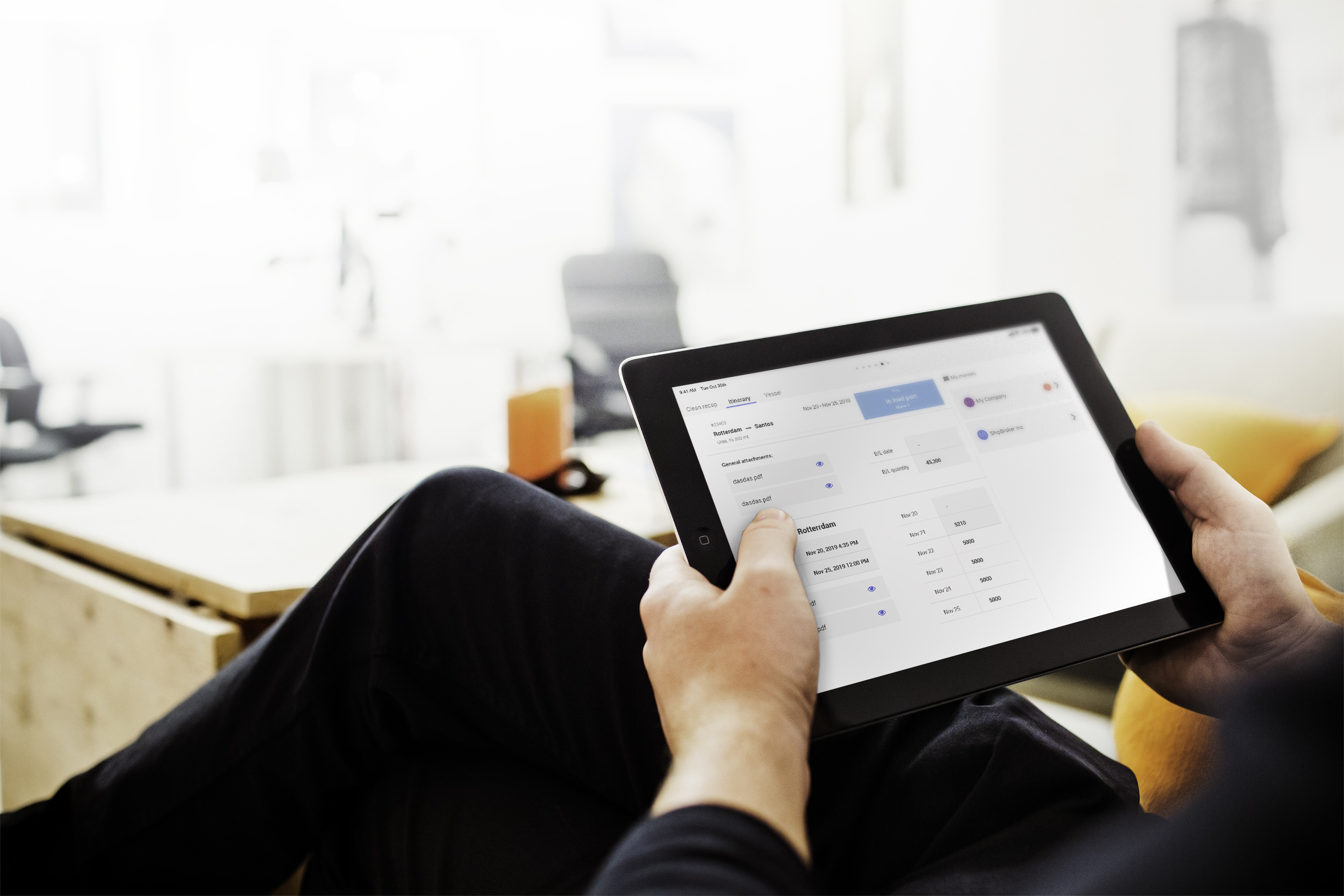
Container Tracking And Visibility
Modern visibility platforms show where containers are in real time, send Last Free Day notices, monitor terminal space, and calculate storage fees. They link to carriers, terminal systems and customs records so shipments can be followed from origin to destination. Alerts tell you about deadlines and rising charges so nothing is missed.
Transport Management Systems
A full Transport Management System handles terminal appointments, chooses the best carrier, and plans drayage to cut delays and costs. It also tracks storage fees and displays charges as they build, helping teams act quickly.
Analytics see demurrage patterns as opportunities for change and also support operation management on agency productivity. Cloud-based TMS solutions are increasingly accessible to mid-sized importers, not just large enterprises.
Faster Customs Processing
Online customs systems speed up paperwork and the release of imports. They use automated filing, show status instantly, and connect directly to government offices. This shortens clearance time and lowers the chance of demurrage. Many brokers provide APIs so your software links straight to their filing service.
Coordinated Container Planning
Supply chain tools help all parties share accurate arrival and pickup details. Shippers send arrival times to receivers, who confirm pickup readiness to carriers; carriers check terminal capacity, and freight forwarders keep everyone in sync. Clearer information cuts mistakes and delays that lead to extra fees.
FAQs About Container Demurrage Charges
How Long Is The Usual Free Time Before Demurrage Starts?
Most ocean shipments get 3 to 7 calendar days free at the destination port. In North America and Europe 4–5 days is common; many Asian ports give 2–4 days. The exact length depends on the carrier, the terminal, container type, contract terms and busy seasons.
Can I Negotiate Lower Demurrage Rates With Shipping Lines?
Large shippers have the most leverage. You can ask for longer free time, lower daily rates, tiered pricing, caps on total charges, or waivers for carrier faults. Time negotiations around contract renewals and keep a good relationship with your carrier rep.
What Is The Difference Between Demurrage And Detention?
Demurrage applies when a full import container stays inside the terminal past the free days. Detention applies when an empty or full container leaves the terminal and is kept outside past the allowed return period.
Who Is Legally Responsible For Paying Demurrage?
The party named on the bill of lading or listed as consignee is usually responsible, often the importer. Contract terms and Incoterms can shift responsibility. Always state responsibility clearly in your contracts.
What Happens If I Refuse To Pay Demurrage Charges?
Refusing payment can lead to account holds, blocked bookings, late fees, interest, legal collection, liens on cargo and damage to your business credit. If you think charges are wrong, use formal dispute channels.
How Do I Calculate Likely Demurrage Charges Before They Occur?
You need the last free day, the date you plan to pick up and the carrier’s rate structure. Basic method, multiply the number of excess days by the daily rate for each tier and add the results. Check the carrier’s full rate schedule and use any online calculator they offer.
Final Thoughts
Demurrage is the fee for keeping a container inside a port past the allowed free time. Detention is a separate fee for containers held outside the terminal. Charges are usually calculated as extra days multiplied by a daily rate, rates can vary by tier, equipment type, and local rules.
Delays come from customs holds, missing paperwork, busy terminals and late trucks. To avoid fees, plan before arrival, track the Last Free Day, use alerts and tracking tools, keep all records and challenge wrong bills fast. Doing these steps lowers costs, protects cash flow and helps keep deliveries on time.
Also Check Out: Top Shipping Routes That Shape Global Trade